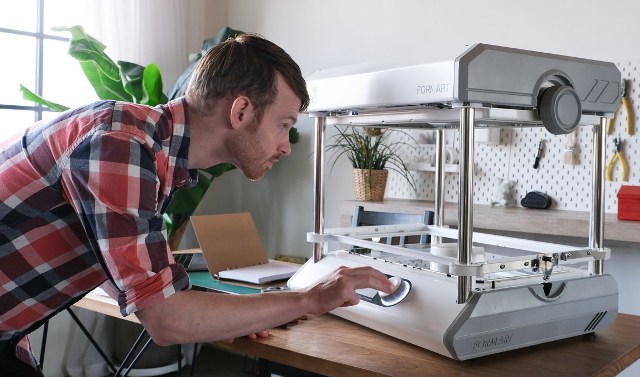
Vacuum forming plastic is one of the most widely used manufacturing processes for producing durable, lightweight, and cost-effective plastic components. From product packaging and automotive panels to medical equipment and retail displays, vacuum forming offers businesses a flexible way to create high-quality plastic parts with precision and consistency. Whether you’re developing a prototype or manufacturing large production runs, vacuum forming is an efficient solution for a wide range of industries.
What Is Vacuum Forming Plastic?
Vacuum forming plastic is a thermoforming process in which a flat sheet of plastic is heated until it becomes soft and flexible. The heated sheet is then placed over a mold, and a vacuum removes the air between the plastic and the mold surface. This pressure forces the plastic to conform tightly to the mold, creating the desired shape.
Once the plastic cools and hardens, the formed part is removed, trimmed, and prepared for its intended application.
This straightforward manufacturing technique makes vacuum forming an attractive option for producing plastic products quickly and economically.
How the Vacuum Forming Process Works
The process follows several key steps to ensure accurate and repeatable results.
Manufacturers choose a suitable thermoplastic sheet based on the product’s intended use, strength requirements, appearance, and environmental conditions.
2. Heating
The plastic sheet is heated evenly until it reaches the correct forming temperature. Proper heating ensures the material becomes flexible without degrading.
3. Forming
The softened sheet is positioned over a mold, and a vacuum draws the plastic tightly against every contour of the tool.
4. Cooling
The formed plastic is allowed to cool while maintaining its shape. Cooling solidifies the material and preserves dimensional accuracy.
5. Trimming and Finishing
Excess material is removed, holes are cut if required, and the finished component undergoes quality inspection before packaging or assembly.
Common Plastic Materials Used
Several thermoplastics are suitable for vacuum forming depending on the application.
Popular materials include:
ABS (Acrylonitrile Butadiene Styrene)
High Impact Polystyrene (HIPS)
Polycarbonate (PC)
PETG
PVC
Acrylic (PMMA)
Polypropylene (PP)
HDPE (High-Density Polyethylene)
Each material offers different properties such as impact resistance, flexibility, chemical resistance, or optical clarity.
Advantages of Vacuum Forming Plastic
Vacuum forming has become a preferred manufacturing method because of its numerous benefits.
Cost-Effective Tooling
Compared to injection molding, vacuum forming generally requires less expensive tooling, making it ideal for prototypes and small to medium production runs.
Fast Production
The process allows manufacturers to produce components quickly, reducing lead times and accelerating product launches.
Design Flexibility
Vacuum forming supports a wide variety of shapes, sizes, and surface finishes, allowing designers greater creative freedom.
Lightweight Components
Plastic parts produced through vacuum forming are lightweight while maintaining good structural strength.
Suitable for Large Parts
Unlike some manufacturing methods, vacuum forming can efficiently produce large components such as machine covers, vehicle panels, and display housings.
Many manufacturers are choosing vacuum forming because it supports environmentally responsible production practices.
Benefits include:
Recyclable thermoplastic materials
Reduced material waste
Efficient production processes
Lightweight products that reduce transportation costs
Potential use of recycled plastic sheets
Many vacuum-formed products can also be recycled at the end of their service life, contributing to a more sustainable manufacturing cycle.
Quality Control
Maintaining consistent quality is essential throughout the production process.
Manufacturers typically inspect:
Dimensional accuracy
Surface finish
Material thickness
Trim quality
Structural integrity
Visual appearance
Regular quality checks ensure finished products meet customer specifications and industry standards.
Choosing a Vacuum Forming Manufacturer
When selecting a manufacturing partner, consider factors such as:
Industry experience
Material expertise
Design support
Prototype capabilities
Modern production equipment
Quality assurance processes
Delivery reliability
Customer service
An experienced manufacturer can provide guidance from concept development through full-scale production.
Future Trends in Vacuum Forming
Advancements in manufacturing technology continue to improve vacuum forming capabilities.
Emerging trends include:
Digital design and CAD integration
CNC-trimmed components
Automated production systems
Sustainable plastic materials
Improved tooling technologies
Greater use of recycled polymers
These innovations help manufacturers produce higher-quality parts more efficiently while meeting growing environmental expectations.
Conclusion
Vacuum forming plastic remains one of the most versatile and economical manufacturing methods available today. Its combination of low tooling costs, design flexibility, fast production, and material versatility makes it suitable for applications ranging from packaging and automotive components to medical devices and industrial equipment.
Whether developing prototypes or manufacturing production parts, vacuum forming offers businesses an efficient way to create durable, high-quality plastic products. By partnering with an experienced manufacturer and selecting the right materials, companies can benefit from reliable production, reduced costs, and products designed to meet the demands of today’s competitive markets.
Sarah Lee is a writer and blogger for Peepsmag's website. She covers topics related to Business, Technology, home decor, entertaining, cooking, gardening, and DIY projects. Sarah has over 10 years of experience writing for print and digital publications, including serving as the Editor. She is passionate about making topics both inspiring and attainable for readers. When she's not writing, Sarah enjoys thrifting and repurposing furniture, testing new recipes, and tending to her ever-growing collection of houseplants. Connect with her on Instagram @sarahstyleslife for more clever ideas on elevating everyday living through beautiful, budget-friendly touches around your home.