Why Dog Grooming Is So Important
Table of Contents
Dogs are more than just pets—they are loyal companions and cherished members of the family. Like humans, they require regular care to stay healthy, comfortable, and happy. While many pet owners focus on providing nutritious food, exercise, and veterinary checkups, grooming is another essential aspect of responsible dog ownership. Grooming is not simply about keeping your dog looking neat; it plays a crucial role in maintaining their physical health, emotional well-being, and overall quality of life.
Whether your dog has short, long, curly, or double-layered fur, regular grooming helps prevent common health problems while allowing you to detect potential issues early. Understanding why dog grooming is so important can help you establish a routine that keeps your furry friend feeling and looking their best.
Grooming Promotes Healthy Skin
A dog’s skin is its largest organ and serves as the first line of defense against bacteria, parasites, and environmental irritants. Without regular grooming, dirt, loose hair, dead skin, and excess oils can build up, leading to discomfort and skin problems.
Routine grooming helps:
- Remove dirt and debris
- Eliminate dead skin cells
- Improve air circulation
- Stimulate healthy oil production
- Reduce itching and irritation
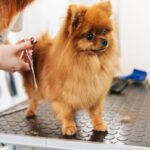
Professional groomers Healthy hound playground also inspect the skin for signs of dryness, redness, rashes, or unusual bumps that may require veterinary attention.
A Healthy Coat Starts with Regular Grooming
Your dog’s coat protects them from weather conditions, insects, and environmental hazards. Proper grooming keeps the coat clean and in excellent condition.
Brushing regularly helps:
- Remove loose hair
- Prevent knots and tangles
- Distribute natural oils evenly
- Enhance shine
- Reduce excessive shedding
Dogs with longer coats especially benefit from frequent brushing to prevent painful mats that can pull on the skin and trap moisture.
Prevents Painful Matting
Matting occurs when loose hair becomes tangled and forms tight clumps against the skin. Severe matting can cause discomfort, skin irritation, and even infections.
Regular brushing and professional grooming help prevent:
- Painful pulling on the skin
- Moisture buildup
- Restricted movement
- Hot spots
- Bacterial growth
Keeping the coat free of mats improves both comfort and overall health.
Helps Control Shedding
Shedding is a natural process, but regular grooming can significantly reduce loose hair around your home.
Benefits of de-shedding include:
- Cleaner furniture
- Less pet hair on clothing
- Healthier coat growth
- Better skin ventilation
Professional de-shedding treatments are particularly helpful for breeds with thick undercoats.
Keeps Nails Healthy
Overgrown nails can affect the way your dog walks and may cause pain or injury.
Routine nail trimming helps:
- Improve posture
- Prevent cracked nails
- Reduce joint stress
- Increase comfort while walking
If nails become too long, they can alter your dog’s gait, potentially leading to long-term orthopedic problems.
Supports Ear Health
Dogs’ ears can trap moisture, dirt, and wax, creating an ideal environment for bacteria and yeast.
Regular ear cleaning helps prevent:
- Ear infections
- Unpleasant odors
- Excess wax buildup
- Itching and irritation
Dogs with floppy ears often require more frequent ear care due to reduced airflow.
Encourages Good Dental Hygiene
Oral health is an important but often overlooked aspect of dog care.
Brushing your dog’s teeth regularly helps reduce:
- Plaque buildup
- Bad breath
- Gum disease
- Tooth loss
Some professional grooming services also include basic dental care to support oral hygiene.
Early Detection of Health Problems
One of the greatest benefits of regular grooming is the opportunity to identify health concerns before they become serious.
During grooming, you may notice:
- Lumps or bumps
- Skin infections
- Parasites
- Cuts or wounds
- Hair loss
- Changes in skin color
- Unusual odors
Early detection allows for prompt veterinary treatment, improving your dog’s chances of a quick recovery.
Improves Comfort
A clean dog is simply more comfortable.
Regular grooming helps eliminate:
- Dirt
- Mud
- Sticky debris
- Loose fur
- Tangles
Dogs often feel more energetic and relaxed after a grooming session because their skin and coat are clean and refreshed.
Reduces Allergens
Dog hair and dander can contribute to allergies in some people.
Routine grooming helps reduce:
- Loose hair
- Dander
- Dust
- Outdoor allergens
This creates a cleaner home environment for both pets and family members.
Strengthens the Bond Between You and Your Dog
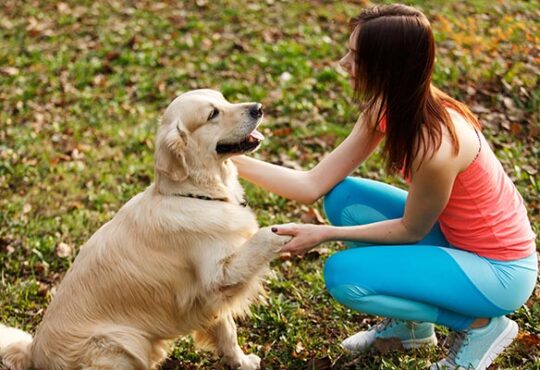
Grooming is an excellent opportunity to spend quality time with your pet.
Brushing, bathing, and caring for your dog can:
- Build trust
- Reduce anxiety
- Improve communication
- Strengthen your relationship
Dogs that become accustomed to regular grooming are often calmer during veterinary visits and other handling situations.
Professional Grooming Offers Additional Benefits
While home grooming is valuable, professional groomers provide specialized care that many owners cannot easily perform.
Professional services may include:
- Breed-specific haircuts
- Precision nail trimming
- Coat conditioning
- Ear cleaning
- De-shedding treatments
- Sanitary trimming
- Skin assessments
Experienced groomers understand the unique grooming requirements of different breeds and coat types.
Grooming Puppies Early
Introducing grooming at a young age helps puppies become comfortable with handling.
Early grooming experiences teach puppies to accept:
- Brushing
- Bathing
- Nail trimming
- Blow drying
- Ear cleaning
Positive early experiences make lifelong grooming much easier.
Senior Dogs Benefit Too
Older dogs often need additional grooming support due to arthritis, reduced mobility, or sensitive skin.
Gentle grooming helps:
- Improve comfort
- Reduce skin irritation
- Prevent matting
- Maintain cleanliness
Professional groomers can adapt their techniques to meet the needs of senior pets.
How Often Should Dogs Be Groomed?
Every dog has unique grooming needs depending on breed, coat type, and lifestyle.
General recommendations include:
- Brushing several times each week
- Bathing every four to eight weeks
- Nail trimming every three to six weeks
- Ear cleaning monthly
- Professional grooming every six to eight weeks
Long-haired and curly-coated breeds may require more frequent appointments.
Tips for Maintaining Your Dog Between Grooming Visits
Simple home care helps extend the benefits of professional grooming.
You can:
- Brush your dog’s coat regularly.
- Wipe muddy paws after walks.
- Clean around the eyes.
- Check ears weekly.
- Brush teeth several times each week.
- Provide high-quality nutrition.
- Ensure access to fresh water.
Consistency helps maintain your dog’s health and appearance year-round.
Final Thoughts
Dog grooming is about much more than appearance—it is a key part of keeping your pet healthy, comfortable, and happy. Regular grooming supports healthy skin, a clean coat, strong nails, healthy ears, and better overall hygiene while allowing early detection of potential health issues.
Whether you groom your dog at home or schedule regular appointments with a professional groomer, maintaining a consistent grooming routine is one of the best investments you can make in your pet’s well-being. A well-groomed dog not only looks great but also feels better, enjoys improved comfort, and is more likely to live a long, healthy, and active life.
By making grooming a regular part of your dog’s care, you are helping your loyal companion enjoy every day with greater health, confidence, and happiness.